



Mastitis continues to be one of the most frustrating and expensive health problems for dairy producers. It reduces milk yield, increases somatic cell count, forces milk to be discarded and often shortens a cow’s productive life. For years, selective treatment decisions were based on guesswork or delayed until culture results returned from a lab; neither option is ideal for today’s dairy business.
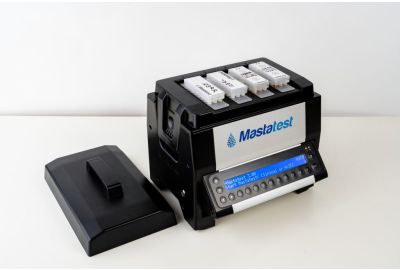
That’s where Mastatest® can make a difference. This automated on-farm diagnostic tool gives producers and veterinarians rapid, reliable information about mastitis causes, allowing for more precise and cost-effective management decisions.
How It Works
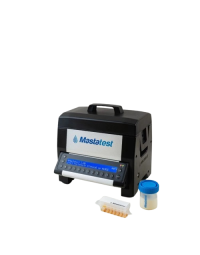
The core of Mastatest is a device called the Lapbox™. When a cow has mastitis, a sterile milk sample is collected and placed inside a Mastatest cartridge. The Mastatest cartridge, which contains 24 wells with different reagents, is inserted into the Lapbox. An electronic sensor, or “eye”, at the bottom of the Lapbox detects bacteria in the well and sends diagnostic information digitally to a cloud-based database cloud for interpretation. Different cartridges can test different things. For example, one type of Mastatest cartridge can test how the bacteria respond to antibiotics.
Results are automatically uploaded to the cloud and emailed to you, usually within 24 hours. The report details:
- What bacteria are present
- If the sample was contaminated or had no growth
- Whether the bacteria are sensitive to three common intramammary antibiotics (**only available with one certain cartridge**)
Data-Driven Decisions
Mastatest also has an online portal that compiles your farm’s results. Over time, stored results may reveal a pattern of mastitis-causing bacteria. This data can guide management strategies to decrease overall mastitis and improve milk quality.
What It Detects
Mastatest can identify several major mastitis pathogens, including:
- Staphylococcus aureus
- E. coli
- Klebsiella
- Coagulase-negative staphylococci (CNS)
- Streptococcus species

It also flags mixed infections, contamination or no bacterial growth. The report for one cartridge type can also include an antibiotic sensitivity profile to help guide treatment.
Benefits for the Farm
The biggest advantage of Mastatest is better treatment decisions. Instead of treating every mastitis case with an intramammary antibiotic, Mastatest helps producers create a more targeted therapy plan or avoid unnecessary treatment altogether.
Many cows won’t benefit from antibiotics due to self-curing infections or the absence of bacteria. By waiting one day for results, you may avoid unnecessary treatments, wasted milk and withdrawal periods.
Key benefits include:
- Saving money by only treating cows that need antibiotic treatment
- Reducing discarded milk due to unnecessary withdrawals
- Preserving antibiotics for cases when they are effective
- Improving long-term herd health by focusing on the true cause
- Tracking results over time to spot herd-level trends
Things to Consider
Mastatest isn’t a replacement for good management. There are limitations to consider:
- Time to receive results: It takes about 24 hours to receive diagnostic results. Severely ill cows may need immediate care, with treatment adjusted later.
- Cost: Both the Lapbox and cartridges are investments. Larger herds with frequent mastitis will see faster payback than smaller herds, but both will benefit from more precise mastitis management.
- Sample quality: Sterile sample collection is critical as contamination can make results unusable.
- Coverage: The system focuses on the most common mastitis bacteria, not every possible pathogen.
- Internet requirement: Results are cloud-based, so a reliable internet connection via ethernet cable is necessary.
The Bottom Line
Mastatest is a practical tool for farmers who want to decrease antibiotic use, save money and gain insight into herd health. For larger farms or those with persistent mastitis problems, the system often pays for itself through reduced treatment costs and better disease control. Smaller farms may take longer to see a return but could still benefit from more precise decision-making.
Mastatest is not a quick cure but a decision support tool. Used alongside your veterinarian’s guidance and good milking practices, Mastatest can improve herd health, lower costs and strengthen your farm’s bottom line.
![Mastatest Test Cartridge MAST1 [10ct]](https://preprod.armoranimalhealth.com/media/catalog/product/cache/6e07d0e8b94185af26caa986d2b4aaa2/3/4/34274.1-removebg-preview.png)
![Mastatest Test Cartridge USP2 [10ct]](https://preprod.armoranimalhealth.com/media/catalog/product/cache/6e07d0e8b94185af26caa986d2b4aaa2/_/s/_s_i_single_cartridge_closed__.png)
![Mastatest Test Cartridge HiSCC [10ct]](https://preprod.armoranimalhealth.com/media/catalog/product/cache/6e07d0e8b94185af26caa986d2b4aaa2/3/6/363_2.jpg)

