

Winter chill has been delayed reaching the Upper Midwest this year, but we won’t stave off seasonal temperatures forever. While the warmer weather has made it easier to enjoy outdoor activities a few more times, pet owners, including horse owners, shouldn’t put off preparing animals and barns for the transition any longer. Now is the perfect time to take stock of inventory, finish lingering maintenance projects and make any adjustments to wellness or exercise routines to keep equine partners feeling their best throughout the colder months.
Here are some tips to make the most of your seasonal horse care preparations:
- Stay Up to Date
-
- Fall is the time to address seasonal vaccination and dental needs for your equine partner, especially if you and your horse are competing or traveling to take in the sights on the trails. Vaccinations are crucial to helping protect your horse from illness such as influenza and rhinopneumonitis while properly managed teeth will help them chew and digest forage when it really counts. Work with your veterinarian to help ensure you’re keeping up with seasonal maintenance.
- This is also the time of year to make sure your horse is current when it comes to seasonal deworming. Parasite eggs can survive longer in cooler weather and can rob your horse of critical nutrients at a time when they need them the most.
- Monitor Conditions
-
- Different weather conditions can impact horse hoof health. Wet and muddy ground can increase chances of thrush or mud fever, while overly dry ground could mean brittle hooves that need conditioning. Keep an eye on hooves to assess what your horse needs. Pick feet daily to keep them clean and free of debris. If experiencing wet weather, make sure horses have a clean, dry area, like a stall or lean-to, they can take a break in. Your farrier can also help address any hoof issues before the snow falls.
- Changing temperatures can affect the quality and content of pasture, which may require limiting grazing time to keep horses with certain issues from developing unwanted conditions, like laminitis. Just be sure that any winter hay supplies consist of high-quality hay and supplement forage feeds contain additional salt or electrolytes to encourage hydration to reduce the risk of impaction colic.
- Maintain While Looking Ahead
-
- Those fluffy winter coats help horses fend off winter winds, but they can also disguise winter weight loss. The right amount of fat reserves will also help your horse stay warm in colder temperatures so it’s important to check their body condition regularly to see if any adjustments to feed may be necessary. There are plenty of great weight builder supplement options available to find the right formula for your horses’ specific dietary needs.
-
- Another important aspect of maintaining body condition is to continue exercising. Exploring ground or pole work activities with your horse not only provides them with physical and mental activity when riding may not be possible, it offers the same benefits for you! Even small bouts of exercise can help aid digestion and joint health and keep your equine partner sharp until the spring riding season arrives.
-
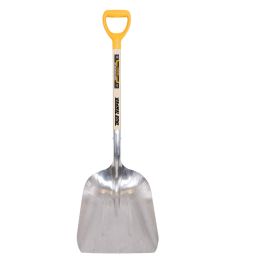
- Check your barn equipment; is it all in good working order? It’s better to replace muck forks, tubs, carts and other essential items sooner rather than later. No one wants to be making an emergency run in the middle of a blizzard or a holiday when items might be out of stock or available only at a premium price. Take inventory of your key tools and prioritize replacements as needed.
Every season brings its own challenges when it comes to horse care. With preparation and help from veterinarian and farrier partners, horse owners and their equine partners can be ready for whatever the weather might bring and enjoy the moments in between too!
![Horsemen's Pride Black 2 Step Mounting Step [15"]](https://preprod.armoranimalhealth.com/media/catalog/product/cache/f9d733986910da5c204c78cc04e31f9b/_/h/_h_p_hp_step.jpg)
![Horsemen's Pride Jolly Stall Snack Refill [Blueberry]](https://preprod.armoranimalhealth.com/media/catalog/product/cache/f9d733986910da5c204c78cc04e31f9b/_/h/_h_o_horsemenspride_stall_snack_refill_blueberry.png)
![Horsemen's Pride Jolly Stall Snack Refill [Himalayan Salt]](https://preprod.armoranimalhealth.com/media/catalog/product/cache/f9d733986910da5c204c78cc04e31f9b/_/h/_h_o_horsemenspride_stall_snack_refill_salt.png)
![Horsemen's Pride Jolly Stall Snack Refill [Mint]](https://preprod.armoranimalhealth.com/media/catalog/product/cache/f9d733986910da5c204c78cc04e31f9b/m/i/mint.jpg)
![Horsemen's Pride Jolly Stall Snack Refill [Apple]](https://preprod.armoranimalhealth.com/media/catalog/product/cache/f9d733986910da5c204c78cc04e31f9b/a/p/apple.jpg)

![Premium Pine Wood Shavings [3 cu ft]](https://preprod.armoranimalhealth.com/media/catalog/product/cache/f9d733986910da5c204c78cc04e31f9b/_/p/_p_r_premium_pine.png)
![Little Giant DuraFork "The Original" Stable Fork [Multiple Colors]](https://preprod.armoranimalhealth.com/media/catalog/product/cache/f9d733986910da5c204c78cc04e31f9b/_/l/_l_i_little_giant_durafork_the_original_stable_fork_multiple_colors_.jpg)